Democrats plan to use power of the purse to end Iran war
After winning Congress, Democrats plan to use funding bills to end the Iran war, while President Trump threatens to finish the job and the US keeps a large force in the Gulf.
How it was covered
- BBC News was the only channel found covering it, concentrating on Democratic funding leverage, regional reaction and US military options.
- Channel 5, BBC One, BBC Two, Channel 4, GB News, ITV and Sky News: not found in tracked broadcasts.
The Full Story
A plain summary built from the channels that reported this story. Facts only one channel reported are attributed to it.
BBC News reported that Democrats made ending the Iran war a top priority after winning control of both chambers of Congress in the midterm elections. Hakeem Jeffries, the Democratic minority leader in the House, said Congress would act as a check and balance on what he called an out of control executive branch. The coverage said JD Vance and other Republican leaders had blamed the war for their losses, while President Donald Trump insisted Pete Hegseth would keep his job as defence secretary.
BBC News explained how Democrats could try to stop the war. Asma Khalid, co-host of the BBC's The Global Story podcast, said their options were oversight, including investigations and hearings, and money, by cutting funding. Bernd Debusmann, BBC News's White House reporter, said any legislation would probably be vetoed and a War Powers Resolution would be largely symbolic. He said Chuck Schumer, the Senate minority leader, planned to use the power of the purse by adding limits to future defence funding bills. Debusmann noted that a refusal by Trump could lead to a shutdown in which troops were not paid, and he compared the tactic with a failed Democratic effort during the Iraq war in 2007. He also reported that a White House official said Vance had run his comments about the war by the White House and that Trump had no issue with them. Debusmann said many observers saw Vance's remarks as an attempt to distance himself from a politically disastrous war.
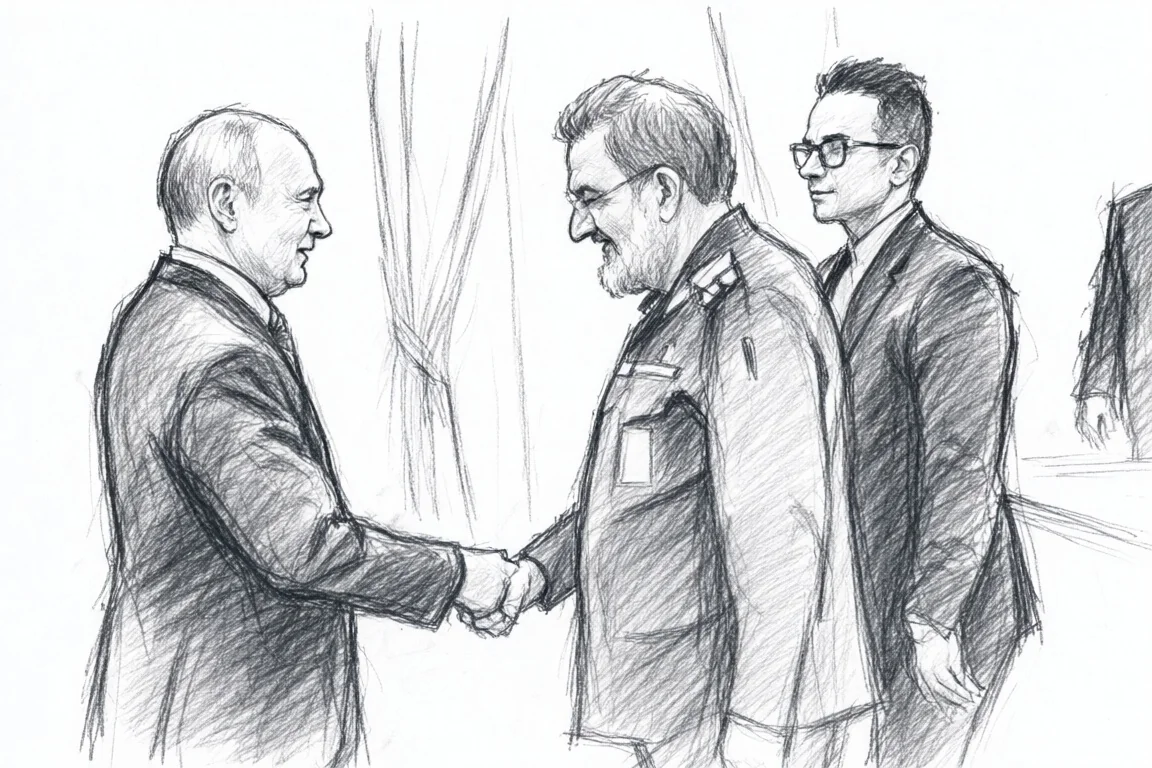
BBC News reported that Tehran treated the result as a victory. Jiyar Gol, from the BBC's Persian Language Service, said a newspaper close to the Revolutionary Guard called it 'President Trump lost the Senate to Iran.' Qalibaf, the Iranian parliament speaker and chief negotiator, said Americans had rejected war. Gol said Qalibaf later compared Trump to a gambler who could not walk away from the table. Gol said the situation combined intense diplomatic activity with preparation for a possible military escalation. The coverage said Iran's security chief had delivered a message from the Supreme Leader to Russia's President Vladimir Putin, and that Iran's foreign minister had spoken to Middle East nations about stabilising the region.
BBC News also reported reactions across the Middle East and North Africa. Greg Holyoke, from the monitoring service, said a Lebanese newspaper known for supporting Tehran called the war a curse on Trump and the Republican Party. He said many in the region expected Hegseth could become the next political casualty and that the conflict could cause a rift with Israel. Holyoke noted that Trump had suggested military aid to Israel worth billions of dollars could end by the end of the year. Gulf voices were more cautious, according to the same coverage.
Oil prices rose again but stayed below $100 a barrel after the midterm results, BBC News reported. The coverage said the result had changed the politics of the war without ending the military standoff.
On 6 November, BBC News reported that eight months into the war the US still had its biggest carrier force in the Gulf since the invasion of Iraq. Mikey Kay, the broadcaster's military analyst, said two carrier strike groups were already in the Gulf and a third, the Theodore Roosevelt, was on the way to relieve one of them. He said about 50,000 US troops were in theatre, including 2,000 Marines. He described a wide range of air power, including F-35s, A-10 Warthogs, F-15s, F-16s and F-22s in Israel.
BBC News reported that Democrats were determined to use Congress to end the war while Trump had threatened to finish the job. Mikey Kay said the Pentagon had a lot of kit in place but that there would be a determined push in Congress to find a way to 'put a bow on it and walk away.'
BBC News said the Trump administration had shifted its stated aims during the war, from benefiting the Iranian people to stopping Iran from getting a nuclear bomb, and critics said the objectives had never been clearly set out. It examined Iran's nuclear programme and the limits of its threat. It said Iran had no nuclear warhead and no missile that could reach the East Coast of the United States. Its longest-range missiles reach about 2,000 km, enough to put Europe in range but not Los Angeles or San Diego. The coverage said Iran had 440kg of uranium enriched to 60%, which the UN assessed as enough for about nine bombs if further enriched to 90%. It said the uranium was probably buried rather than destroyed at Isfahan, Natanz and Fordow, and much of it was believed to remain sealed in tunnels. It also described Pickaxe Mountain, south of Natanz, as a 5,000-foot mountain above sea level, higher than Ben Nevis, where inspectors had been refused access.
BBC News said the US had bombed Isfahan, Natanz and Fordow. It said the MOAB, the largest non-nuclear bomb, was an air-burst weapon and not a penetrator, so the US would need the massive ordnance penetrator, which carries a 2,400kg warhead and can penetrate granite 60 metres down. The coverage said the political argument over whether Trump could claim 'mission accomplished' remained unresolved.
Key Claims
Claims reported during this story's coverage, grouped by how many channels reported each one. Select a dot to see the source excerpt.
| Claim |  |
|---|---|
| Only on one channel | |
| Democrats made ending the war in Iran a top priority after winning control of Congress in the midterm elections. | |
| Iran's parliament speaker Qalibaf likened President Trump to a gambler unable to leave the table. | Reported by BBC News |
| Iran's security chief delivered a message from the Supreme Leader to Russian President Putin. | |
| President Trump said Pete Hegseth would remain US defence secretary despite Republican pressure over the party's election losses. | |
| The US maintained its largest Gulf carrier force since the Iraq invasion eight months into the war. | |
Channel Perspectives
What each channel focused on, with key quotes.
BBC News treated the story as a power struggle between Congress and the White House and explained the mechanics of Democratic leverage. Its evening programme also covered Tehran's reaction, Gulf caution and oil markets, while the next day's Security Brief shifted to US force posture and Iran's nuclear sites. The tone was explanatory and neutral.
- “the Democrats make ending the war in Iran one of their top priorities after taking control of Congress in the midterm elections.”
- “what Chuck Schumer, the current Senate minority leader, said is that they plan to use the power of the purse.”
- “The president has threatened to finish the job.”
Who was on air
People and organisations each channel put on air while covering this story. Channels' own presenters and reporters are not listed. Names as transcribed, and the list can miss people.
- 18:43 GMT
Ellen Fraser, energy analyst and partner at management consulting, Boim Barringer
The World Today with Maryam · Thu 5 Nov
Broadcast Timeline
News broadcasts tracked for this story, in time order.