NHS trial to test GP blood tests for early abdominal cancers
More than 20,000 patients in England will be offered blood tests in an NHS trial aimed at helping GPs diagnose abdominal cancers earlier.
How it was covered
- BBC One carried 68% of the airtime and concentrated on the trial design, eligibility and the case for earlier diagnosis.
- Channel 5 concentrated on hard-to-detect abdominal cancers, AI and hospital referral pressure.
- BBC Two, Channel 4, GB News, ITV and Sky News: not found in tracked broadcasts.
- BBC News: covered online, not found on air.
The Full Story
A plain summary built from the channels that reported this story. Facts only one channel reported are attributed to it.
A landmark NHS trial will test whether simple blood tests can help GPs diagnose common abdominal cancers earlier. The cancers are often found late because early symptoms can look like other conditions.
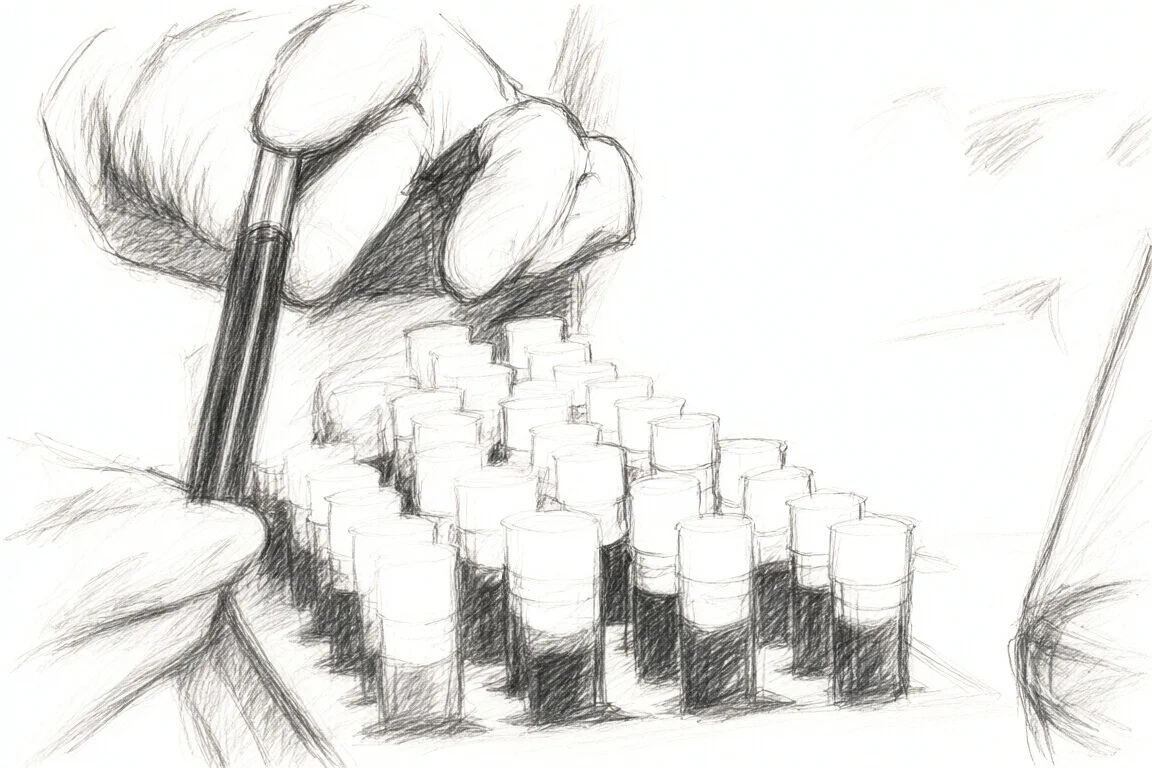
BBC One said the trial covers pancreatic, ovarian, stomach and bowel cancer. Channel 5 highlighted liver, stomach and pancreatic cancer as hard-to-detect cancers in the middle of the body.
People over 45 who visit their GP with persistent bloating or abdominal discomfort will be offered a blood test. BBC One reported that the tests use new technologies including artificial intelligence, DNA shed by tumours and protein measurements. Channel 5 also said there is a lot of AI involved.
Channel 5 reported that 20,000 people will be offered the test through 200 GP surgeries in England. BBC One's later bulletin gave a slightly higher figure of more than 20,000 patients. It also said four different tests would be used.
The trial is being run by the University of Birmingham, Channel 5 reported. It said hospitals are receiving many more referrals, which is leading to delays, and that the test could help decide who needs further investigation.
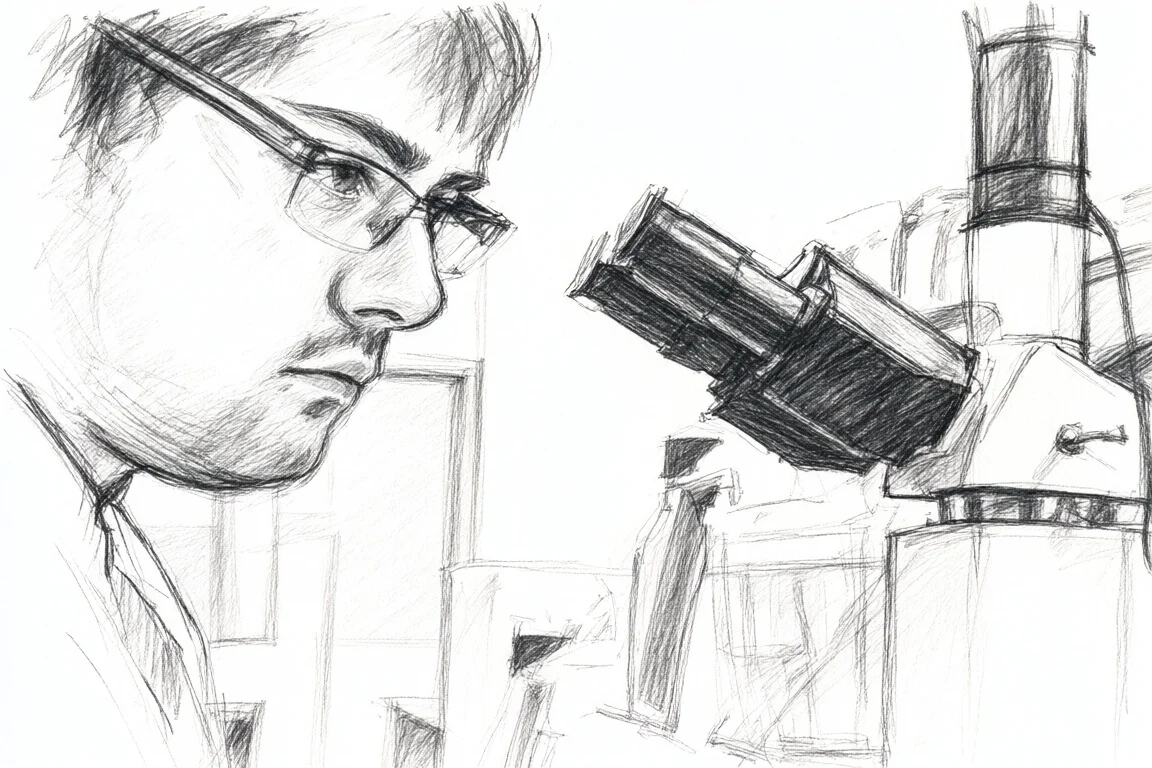
BBC One reported that a positive result would not confirm cancer but could lead to further checks. Channel 5 reported that the trial will produce some false positives and false negatives. It also said researchers will assess how well artificial intelligence handles the data.
BBC One reported that campaigner Dame Deborah James died four years after her bowel cancer was found too late. Her father, Alastair, said early diagnosis saves lives and that the test could help GPs narrow down who is really at risk.
The government's National Cancer Plan has made earlier identification of cancer one of its key ambitions, BBC One reported. It said earlier diagnosis greatly improves the chances of a positive outcome.
Key Claims
Claims reported during this story's coverage, grouped by how many channels reported each one. Select a dot to see the source excerpt.
| Claim |  |  |
|---|---|---|
| Reported by all 2 channels | ||
| Around 20,000 patients in England will be invited to have their blood tested. | ||
| Around 200 GP practices in England will initially be involved, with participants aged over 45 who have abdominal symptoms. | Reported by BBC One | |
| The blood test combines artificial intelligence, tumour DNA detection and measurement of proteins in the blood. | Reported by BBC One | |
Channel Perspectives
What each channel focused on, with key quotes.
BBC One West used health correspondent Dominic Hughes to frame the trial as a potential step forward in early diagnosis. It gave the most detail on trial design, eligibility and the caveat that a positive result is not a diagnosis. It also used Dame Deborah James's father, Alastair, to make the case for earlier detection.
- “We all know early diagnosis saves lives and anything that can be done, particularly in these abdominal cancers, to help GPs narrow down the people who are really at risk.”
- “Around 20,000 patients will be invited to have their blood tested.”
- “Experts say a positive result doesn't mean a confirmed cancer diagnosis, but it may lead to further investigations.”
The Channel 5 bulletin used correspondent Simon Vigars to explain the trial in studio terms, focusing on hard-to-detect cancers in the middle of the body. It was the only channel to name the University of Birmingham as the trial's runner and to discuss the strain on hospitals from rising referrals. It also foregrounded the role of AI and the likelihood of false positives and false negatives.
- “It's really the hard to detect ones down in the middle of the body like pancreas or bowel”
- “There's a lot of AI involved”
- “Some false positives. There will be some false negatives”
Broadcast Timeline
News broadcasts tracked for this story, in time order.