Millions celebrate Diwali as northern India air pollution concerns persist
Millions of people are celebrating Diwali, the Hindu festival of lights, while air pollution remains a concern in northern India.
How it was covered
- BBC News was the only channel found covering it, concentrating on Diwali traditions, pollution risks and Piyushi Ajwani's interview.
- Channel 5, BBC One, Channel 4, GB News, ITV and Sky News: not found in tracked broadcasts.
The Full Story
A plain summary built from the channels that reported this story. Facts only one channel reported are attributed to it.
Millions of people are celebrating Diwali, the Hindu festival of lights, by illuminating homes, temples, offices and streets with oil lamps and colourful lights. The festival symbolises the triumph of light over darkness. It falls on the darkest night of the Hindu lunar month of Kartik, when the moon is not visible in the sky.
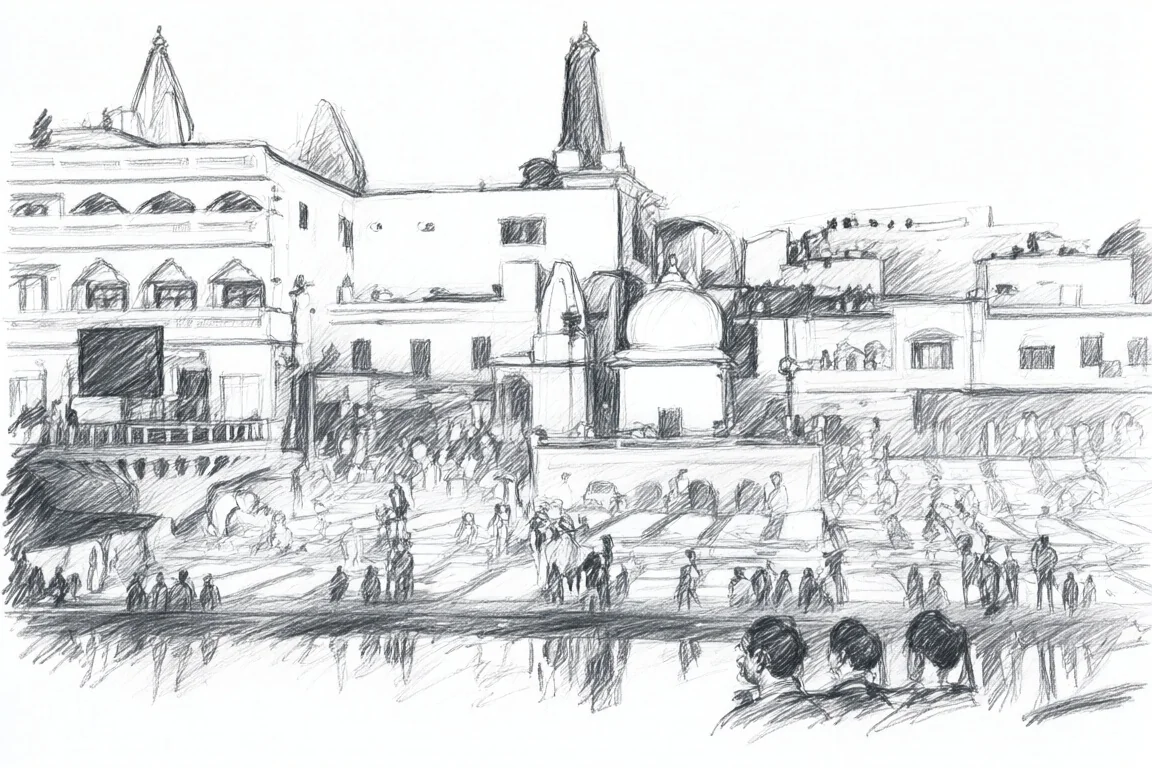
Traditions vary across India's regions and communities. The festival is widely marked by prayers, family gatherings, the exchange of sweets and the lighting of firecrackers.
The celebrations come amid growing concerns over air pollution, particularly in northern India. Seasonal weather conditions and the burning of crop residue contribute to deteriorating air quality. Firecrackers set off during Diwali can make the situation worse.
In an interview with BBC News, content creator Piyushi Ajwani said Diwali is her favourite time of year because of its social gatherings and the chance to reflect on culture and traditions with family. She described regional meanings, including the return of Lord Rama after a 14-year exile in north India and the celebration of the goddess Kali in the east. She said some of her friends who are away from their hometowns for Diwali are making conscious choices, such as using LED lamps instead of oil or ghee lamps and not bursting firecrackers. She also said social media has raised awareness about clean air and clean water and the impact of choices such as whether to burst crackers.
The later BBC News bulletin showed celebrations in Karachi and reported that plenty of people were out in the streets marking the occasion.
Key Claims
Claims reported during this story's coverage, grouped by how many channels reported each one. Select a dot to see the source excerpt.
| Claim |  |
|---|---|
| Only on one channel | |
| Millions of people are expected to celebrate Diwali, the Hindu festival of lights, with social gatherings across the country. | |
| Seasonal weather and crop residue burning contribute to deteriorating air quality, with firecrackers potentially worsening it. | |
Channel Perspectives
What each channel focused on, with key quotes.
BBC News explained the festival's traditions and the air pollution context before interviewing content creator Piyushi Ajwani. Its later bulletin repeated the core report and added footage of celebrations in Karachi. Across both bulletins it kept the environmental concern as the main news angle rather than focusing only on festivities.
- “Millions of people are set to celebrate Diwali, the Hindu festival of lights”
- “Seasonal weather conditions and the burning of crop residue contribute to deteriorating air quality”
- “Diwali is honestly my absolute favourite time of the year because it is a time of several social gatherings”
Who was on air
People and organisations each channel put on air while covering this story. Channels' own presenters and reporters are not listed. Names as transcribed, and the list can miss people.
- 05:22 GMT
Piyushi Ajwani, content creator
BBC News · Sun 8 Nov
Broadcast Timeline
News broadcasts tracked for this story, in time order.