Paul Mackenzie sentenced to 200 years for murdering 191 people in Kenyan cult
Paul Mackenzie, leader of a Kenyan doomsday cult, has been sentenced to 200 years in prison for murdering 191 people, 190 of them children, in the Shakahola starvation case.
How it was covered
- BBC News carried 63% of the airtime and concentrated on the 200-year sentence, judge's reasoning and cult background.
- BBC One concentrated on the 200-year sentence and the human aftermath in Shakahola.
- Sky News concentrated on the guilty verdict, cult background and expected death-penalty sentencing.
- Channel 5, BBC Two, Channel 4, GB News and ITV: not found in tracked broadcasts.
The Full Story
A plain summary built from the channels that reported this story. Facts only one channel reported are attributed to it.
Paul Mackenzie, the leader of a Kenyan doomsday cult, has been sentenced to 200 years in prison for the murders of 191 people, all but one of them children. The sentence was delivered in Mombasa after he was convicted of leading a starvation regime in the Shakahola forest. Broadcast reports differed on how many associates were convicted with him, so the exact number remains unclear.
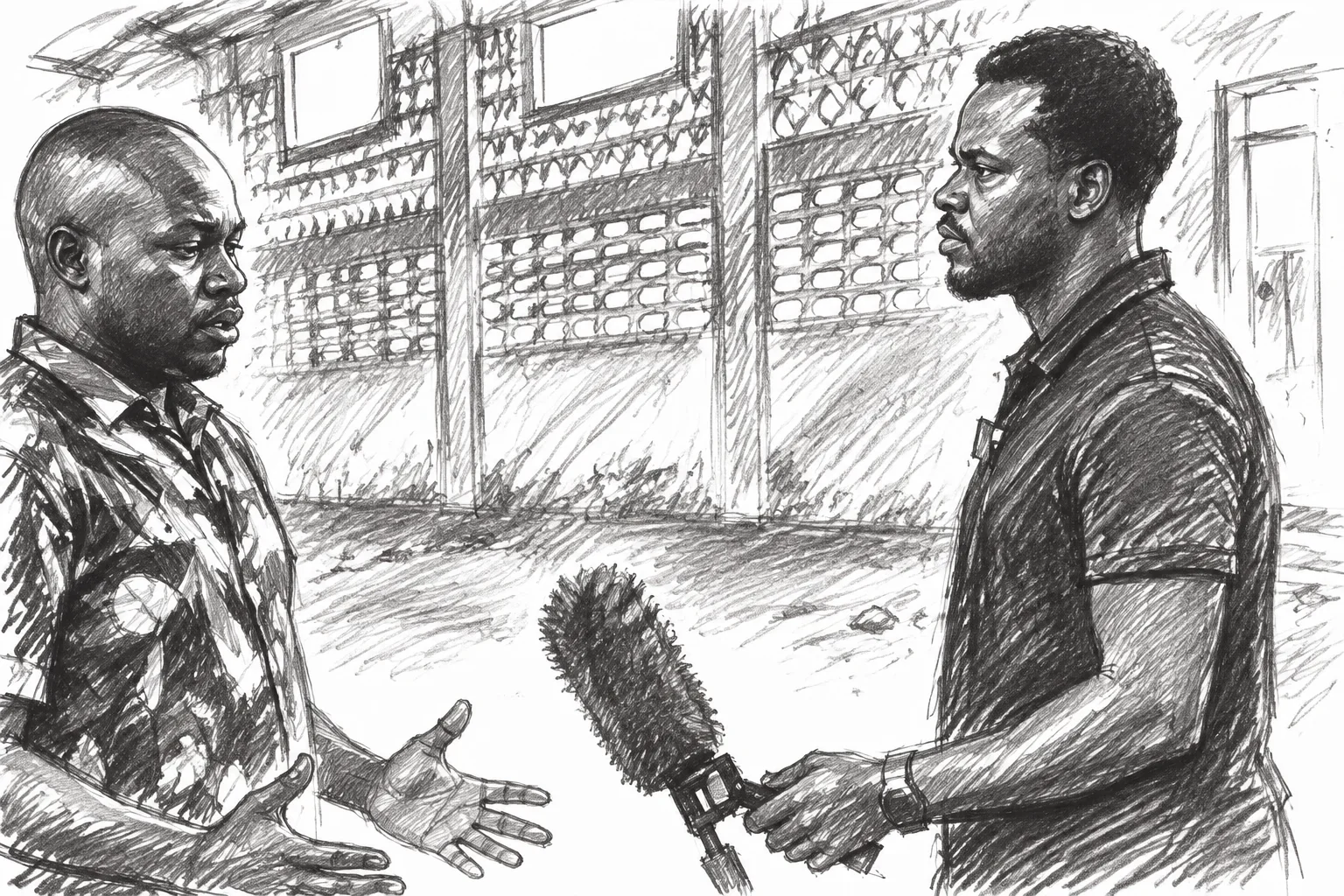
BBC News reported that the judge built the 200-year term from one set of concurrent 100-year terms for murder by starvation and another set of concurrent 100-year terms for direct homicide, with the two sets running consecutively. BBC News reported that she said the court would show no mercy for cruelty that had been premeditated over a long period. BBC One quoted her saying that deaths at Shakahola had been 'celebrated as weddings to Jesus' and that a death sentence could be seen as martyrdom rather than punishment.
Prosecutors had sought the death penalty. BBC News reported that Kenya's Supreme Court has declared the death penalty unconstitutional and that no one has been executed there since 1987. The judge said that if any case justified a death sentence, this one did, but she imposed the 200-year term instead. BBC News reported that the sentence means Mackenzie, who is in his early 50s, will spend the rest of his life in prison.
Police found more than 400 bodies in shallow graves in Shakahola forest in 2023. BBC News reported that over 450 remains were eventually recovered, many in different stages of decomposition. Mackenzie had told followers that starvation would let them meet Jesus.
Sky News reported that Mackenzie was a former taxi driver who led the Good News International Church and banned children from vaccination and hospital treatment because he regarded such institutions as satanic. BBC News reported that he left his taxi job in the early 2000s, built a large church in Malindi and broadcast to millions through a television channel. It said the church was shut down in 2019 and that followers later moved to the remote forest.
BBC Africa correspondent Thomas Mokwana reported that the judge described a strict, secretive commune in which children were ordered to fast first, then women, and Mackenzie last with the men. He reported that Mackenzie's legal team had argued the children chose to starve, but the court rejected that. The judge said Mackenzie had shown no remorse, and that only two of the associates had shown any.
Amelia on Sky News described the case as one of the worst cult-related disasters in recent history and said the hearing could take hours as the judge read the names of victims. In a report for BBC One, Thomas McQuana spoke to Mackenzie's son, who said his father was 'a murderer of mass killing'. The report showed the abandoned church and a makeshift morgue where bodies were still being kept three years on as families came to identify remains.
Key Claims
Claims reported during this story's coverage, grouped by how many channels reported each one. Select a dot to see the source excerpt.
| Claim |  |  |  |
|---|---|---|---|
| Reported by all 3 channels | |||
| Mackenzie and 27 or 28 associates were convicted last month of murdering 191 people, 190 of them children, in the doomsday cult case. | |||
| Mackenzie was sentenced to 200 years for murdering 191 people, all but one of them children. | |||
| Reported by a few · 2 channels | |||
| Prosecutors were seeking the death penalty. | Reported by BBC News | Not reported by BBC One | |
| Sentencing was under way in Mombasa. | Not reported by BBC One | Reported by Sky News | |
| Only on one channel | |||
| Bodies were still being kept in a makeshift morgue three years after mass graves were found. | Not reported by BBC News | Not reported by Sky News | |
| Kenya had not carried out an execution since 1987. | Not reported by BBC One | Not reported by Sky News | |
| The judge said a death sentence could be seen as martyrdom rather than punishment. | Not reported by BBC News | Not reported by Sky News | |
Channel Perspectives
What each channel focused on, with key quotes.
Sky News treated the case as a grisly studio explainer in its morning programme. Amelia set out the guilty verdict, the 190 child victims, Mackenzie's background as a former taxi driver and his Good News International Church. The channel stressed that prosecutors were seeking the death penalty and that sentencing could take hours, but it aired before the 200-year term was announced.
- “A cult leader in Kenya has been found guilty of murdering 190 children.”
- “This is a sentencing for someone who has perpetrated one of the worst cult-related disasters in recent history.”
- “Prosecutors are seeking the death penalty.”
BBC News gave the story rolling live coverage from Mombasa, first previewing the sentencing and then breaking the 200-year term. Its correspondents supplied the fullest background, from Mackenzie's taxi job and Malindi church to the TV channel, the Shakahola graves and the judge's reasoning on the death penalty. It also reported the judge's remark that Mackenzie had shown no remorse.
- “He has just been sentenced in the last hour to 200 years in prison for the murders of 190 children, starved to death on his orders and buried in a forest.”
- “The sentences in sub paragraphs A and B shall run consecutively, making an aggregate sentence of 200 years imprisonment for convict Mackenzie.”
- “Children were forced by their parents to starve to death so that they could meet Jesus.”
BBC One's evening bulletin led on the sentence and then built its package around the judge's explanation for sparing Mackenzie the death penalty. It gave more space than other channels to the human aftermath, including an interview with Mackenzie's son, the abandoned church and a makeshift morgue where bodies were still being identified. The tone was sombre and focused on the scar left on Kenya.
- “The leader of a doomsday cult in Kenya has been sentenced to 200 years in prison after being found guilty of murdering 191 people, all but one of them children.”
- “Deaths at Shakahola were celebrated as weddings to Jesus with the deceased regarded as heroes of faith.”
- “So yeah, he is a murderer of mass killing.”
Broadcast Timeline
News broadcasts tracked for this story, in time order.