UK GDP grows 0.7% in third quarter as AI-linked services drive expansion
Official figures show UK GDP grew 0.7% in the third quarter, the fastest rate in more than two years, driven by services and AI-linked businesses, but living standards remain under pressure.
How it was covered
- Sky News carried 40% of the airtime and concentrated on data-heavy charts, AI-driven services growth and why GDP matters.
- BBC One concentrated on context, AI investment and caution about household finances.
- ITV concentrated on growth versus living standards and pressures on households.
- BBC News and BBC Two: not found in tracked broadcasts.
The Full Story
A plain summary built from the channels that reported this story. Facts only one channel reported are attributed to it.
The UK economy grew by 0.7% between July and September, official figures from the Office for National Statistics show. BBC News and ITV reported that this was the fastest quarterly growth for more than two years. Channel 5 described it as the strongest quarterly growth since the start of 2024. John Healey, the chancellor, said Britain was showing standout resilience, even though the Middle East conflict was hitting growth worldwide.
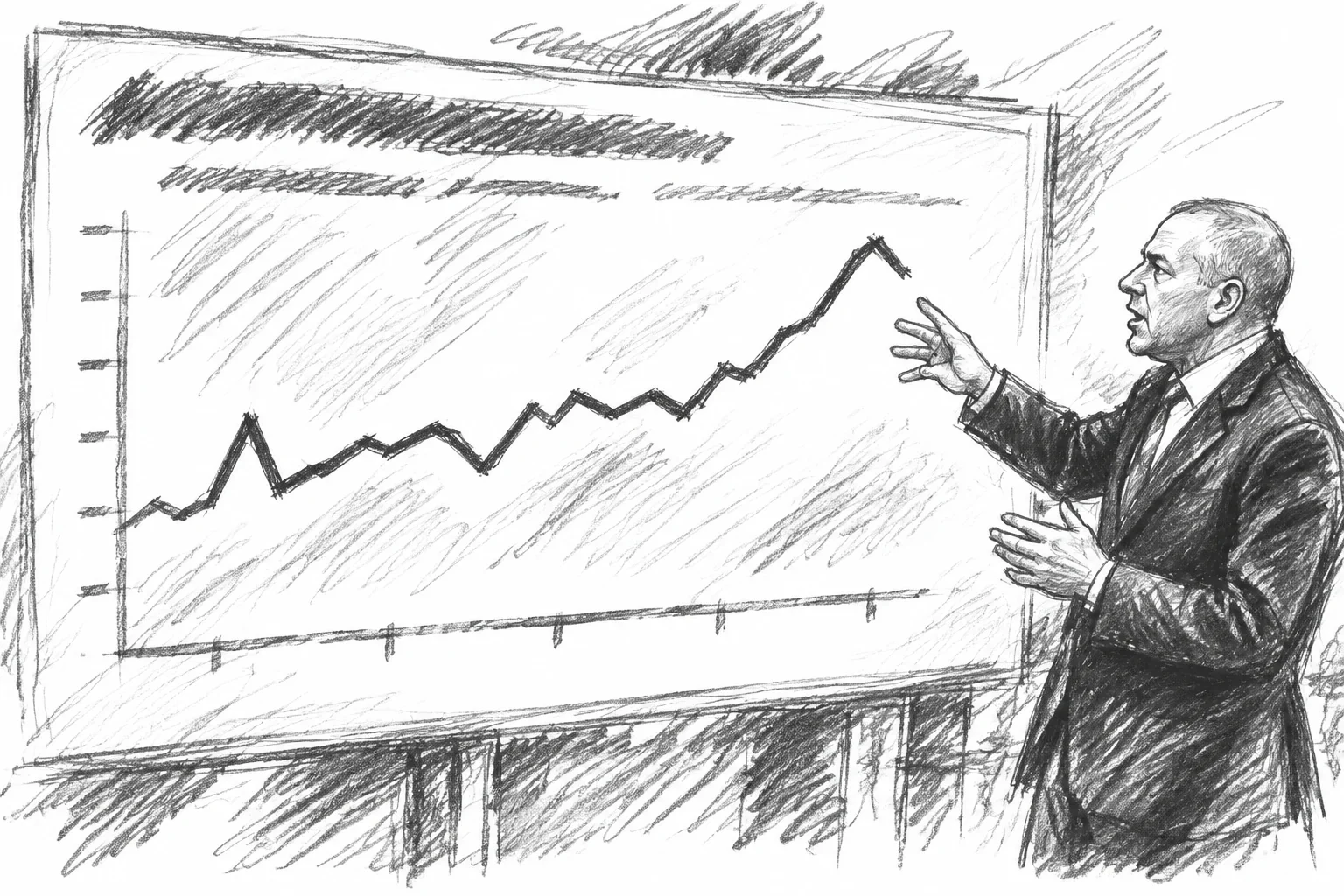
The services sector drove the expansion. The ONS attributed most of the growth to services, with computer programming and AI-linked businesses growing significantly. Sky News reported that the ONS index for computer programming and related activities had been the biggest single driver of services growth for the last seven months, suggesting that AI adoption inside companies was starting to show up as higher productivity.
The quarterly figure came with weaker monthly detail. Sky News reported that GDP grew by 0.2% in September, a slowdown after strong summer months, and that August's figure was revised down. ITV reported that the economy had grown by 1.9% across the first nine months of the year.
There were also warnings beneath the headline. Channel 4 reported that construction output fell by 0.7% over the quarter amid inflation and high prices for building materials. ITV reported that real household disposable income adjusted for inflation fell over the same period, so many households may not feel the growth. ITV also noted that energy bills are set to rise, inflation is rising and interest rates may rise further.
BBC News economics editor Faisal Islam said the June forecast for this quarter had been for less than 0.1% growth, but the figure came in at 0.7%. He said that was a rate rarely seen outside the pandemic over the past decade.
John Healey welcomed the figures and said the government was backing UK investment, innovation and fast-growth firms. He said the UK economy was growing at its fastest rate in almost 10 years outside the pandemic. ITV reported that strong economic growth and rising living standards are not the same thing. Sky News and BBC News also noted that the Middle East conflict and energy prices remain risks to the outlook.
Key Claims
Claims reported during this story's coverage, grouped by how many channels reported each one. Select a dot to see the source excerpt.
| Claim |  |  |  |  |  |
|---|---|---|---|---|---|
| Widely reported · 4 or more of 5 channels | |||||
| UK GDP grew 0.7% in the third quarter, faster than in the first two quarters. | |||||
| Reported by a few · 2–3 channels | |||||
| AI-related computer programming and consultancy was the largest driver of services growth over seven months. | Not reported by Channel 5 | Not reported by ITV | |||
| Chancellor John Healey said the UK was demonstrating notable resilience while the Middle East conflict weighed on global growth. | Not reported by Channel 5 | Not reported by BBC One | Not reported by Channel 4 | ||
| Only on one channel | |||||
| A June forecast projected less than 0.1% growth for the quarter. | Not reported by Channel 5 | Not reported by Channel 4 | Not reported by ITV | Not reported by Sky News | |
| Construction fell by 0.7% amid inflation and high building material prices. | Not reported by Channel 5 | Not reported by BBC One | Not reported by ITV | Not reported by Sky News | |
| Energy bills were set to rise, inflation was rising, and interest rates could rise further. | Not reported by Channel 5 | Not reported by BBC One | Not reported by Channel 4 | Not reported by Sky News | |
| Inflation-adjusted real household disposable income fell over the same period. | Not reported by Channel 5 | Not reported by BBC One | Not reported by Channel 4 | Not reported by Sky News | |
Channel Perspectives
What each channel focused on, with key quotes.
Sky News gave the most data-heavy treatment, walking through monthly and quarterly charts and arguing the economy looked persistently better than forecasts. It highlighted AI and computer programming as a driver of services growth and carried John Healey's claim of standout resilience. It also explained why growth matters for jobs, tax receipts and public finances, while warning that Middle East conflict and energy prices remain risks.
- “0.7% of growth in the third quarter, stronger than the first two of the year”
- “the Middle East conflict has hit growth worldwide, yet Britain is showing standout resilience.”
- “it has been the biggest single driver of services growth in the economy for the last seven months.”
Channel 4's short summary stuck to the headline GDP figure and the ONS attribution to services and AI-linked businesses. It was the only channel in this sample to report the 0.7% fall in construction output, giving a more mixed picture. It also carried unrelated COP31 coverage.
- “The economy in the UK grew by 0.7% between July and September. That's the fastest rate for two years.”
- “The Office for National Statistics attributed most of that growth to the services sector, with computer programming and AI-linked businesses growing significantly.”
- “Construction fell by 0.7% amidst inflation and high prices for building materials.”
Channel 5 gave the story a single short read with no caveats or analysis. It focused on computer programming and AI businesses helping growth and described the quarter as the strongest since early 2024. It did not mention construction, living standards or risks.
- “Computer programming services and AI businesses helped the UK economy grow by 0.7% between July and September.”
- “It is the strongest quarterly growth since the start of 2024.”
BBC News led with a correspondent package and a live interview with economics editor Faisal Islam. It put the 0.7% figure in context against a weak June forecast, used a manufacturing business example and stressed AI investment and resilience. It also included caution about household finances and energy bills, and noted that growth had been much rarer before the financial crisis.
- “the UK economy has been growing at its fastest rate for more than two years”
- “grew by naught point seven percent in the three months to September”
- “Fuelled in part by the AI boom”
ITV focused on the gap between headline growth and living standards, with Joel Hills at the Treasury warning that households may not feel the recovery. It reported the fall in real household disposable income and looming rises in energy bills, inflation and interest rates. It still carried John Healey's upbeat resilience message but framed the story around whether voters will feel the growth.
- “Between July to September, the economy grew by 0.7%, according to the Office for National Statistics.”
- “strong economic growth and rising living standards are not the same thing”
- “real household disposable income adjusted for inflation has actually fallen over the same period”
Who was on air
People and organisations each channel put on air while covering this story. Channels' own presenters and reporters are not listed. Names as transcribed, and the list can miss people.
- 09:09 GMT
Broadcast Timeline
News broadcasts tracked for this story, in time order.